


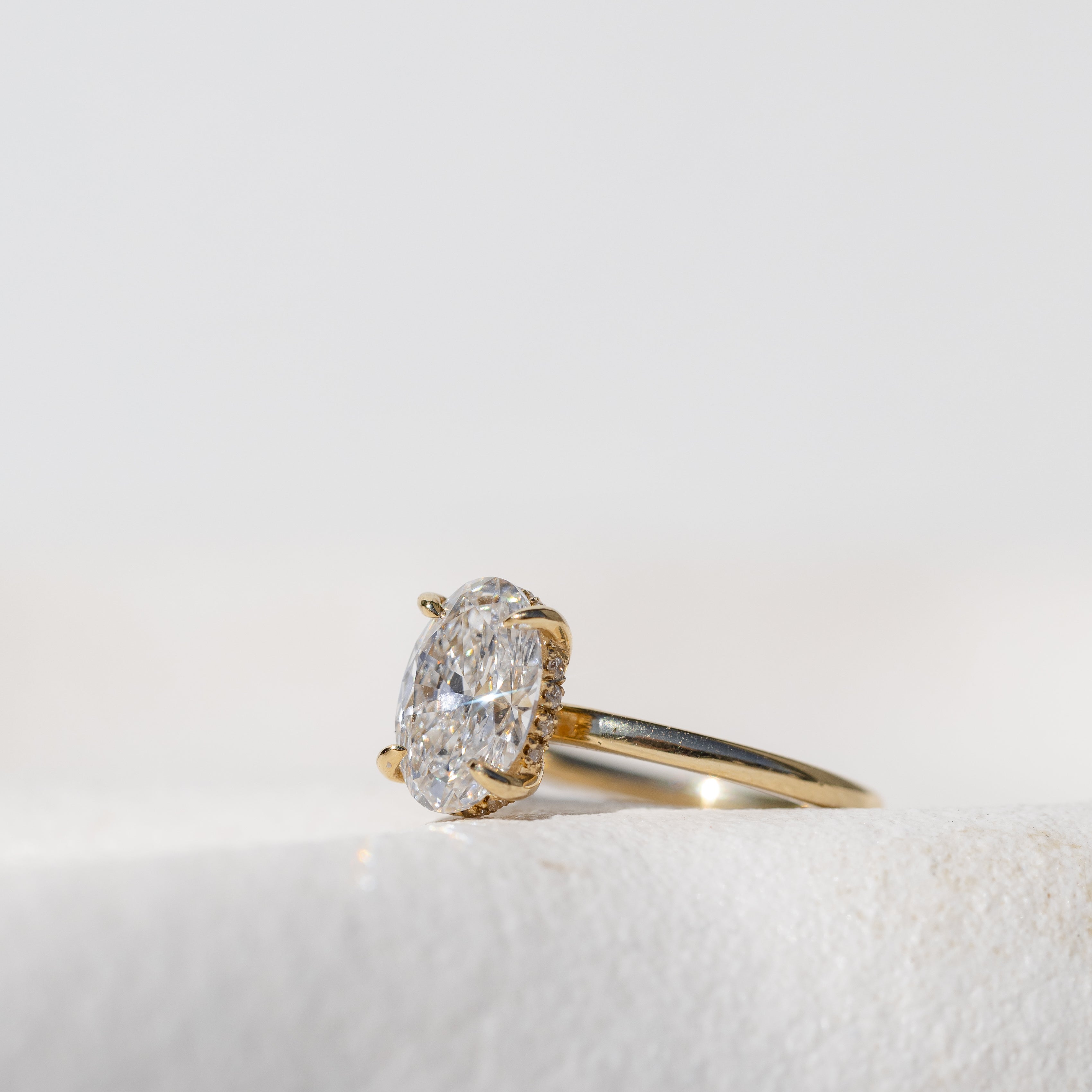


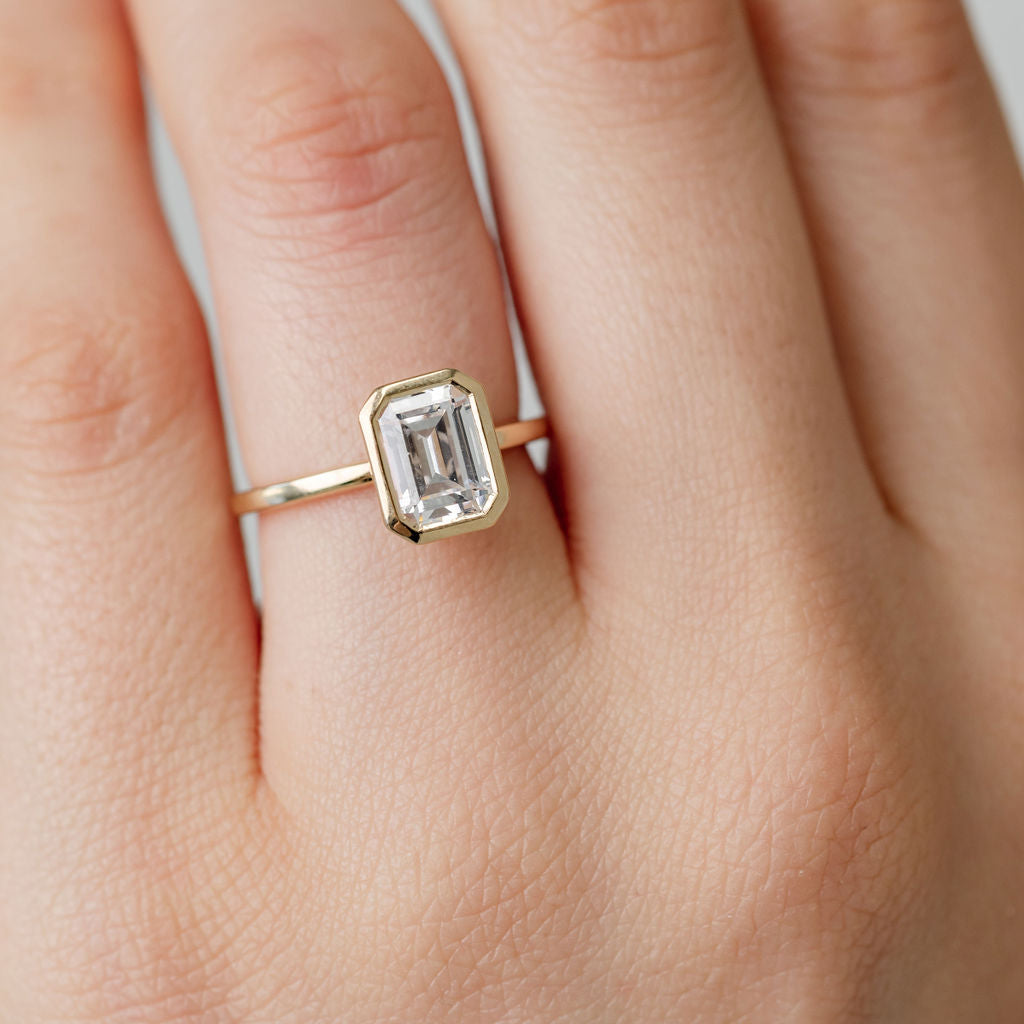
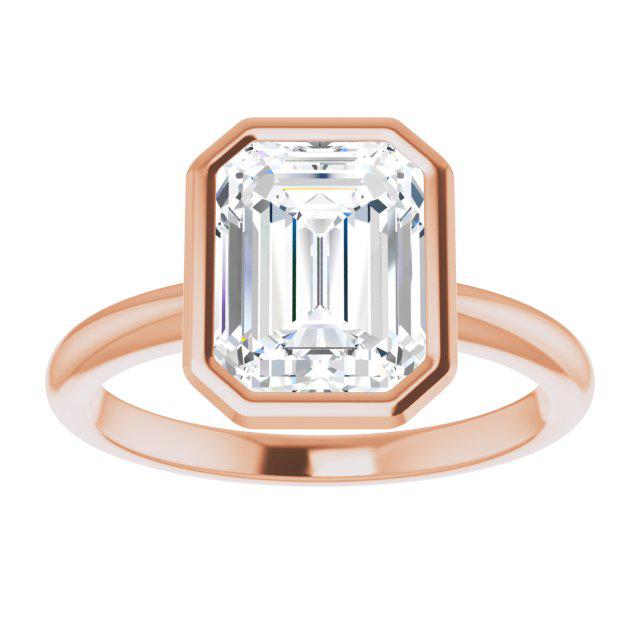


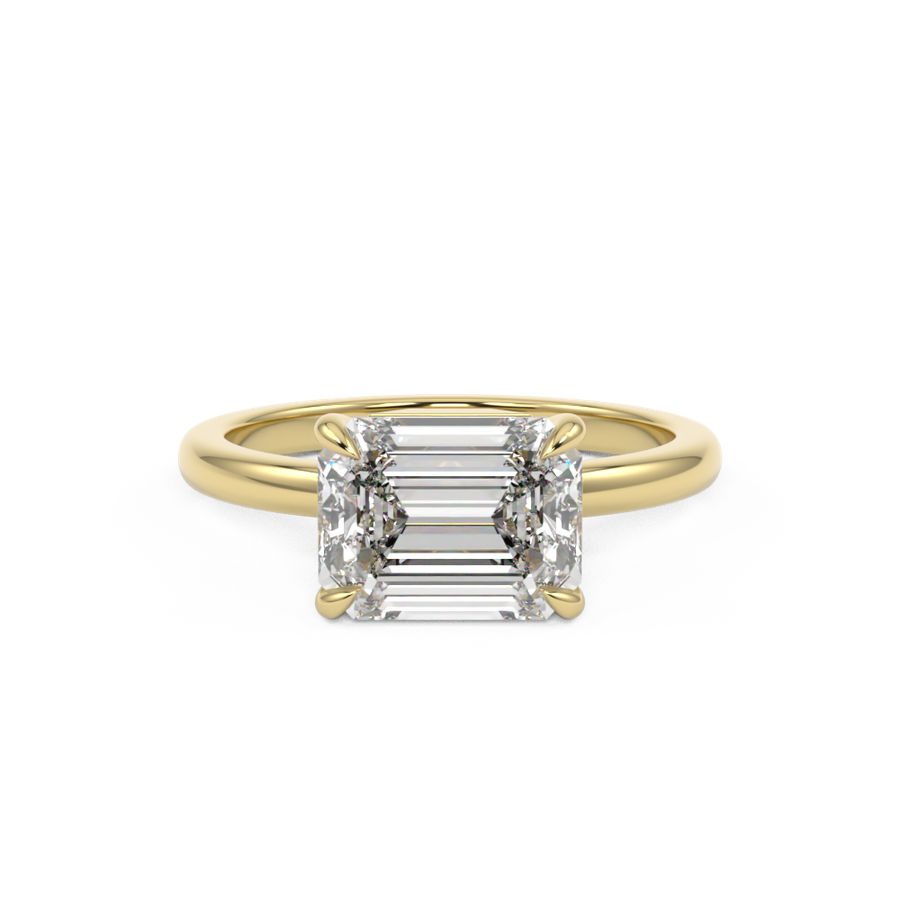






Why platinum?
Platinum has a great amount of density, about 60% heftier than 18kt gold. This gives a platinum ring that distinctive, solid feel. It also makes the metal less prone to bending, which means the prongs that hold your centre stone in place will remain secure for years. For an engagement ring worn daily, this level of durability is really important.
Another feature of platinum is its colour. It is inherently white and it maintains this hue without the need for complex maintenance. Unlike white gold (which combines gold with other white metals and needs a rhodium coating to get its bright appearance) platinum retains its colour over time. White gold's rhodium layer can wear off over time and it needs refreshing every few years to keep its lustre. With platinum, the white you see today will be the same white you see in twenty years' time, although the surface may develop a slight patina with wear.
Choosing the right platinum engagement ring
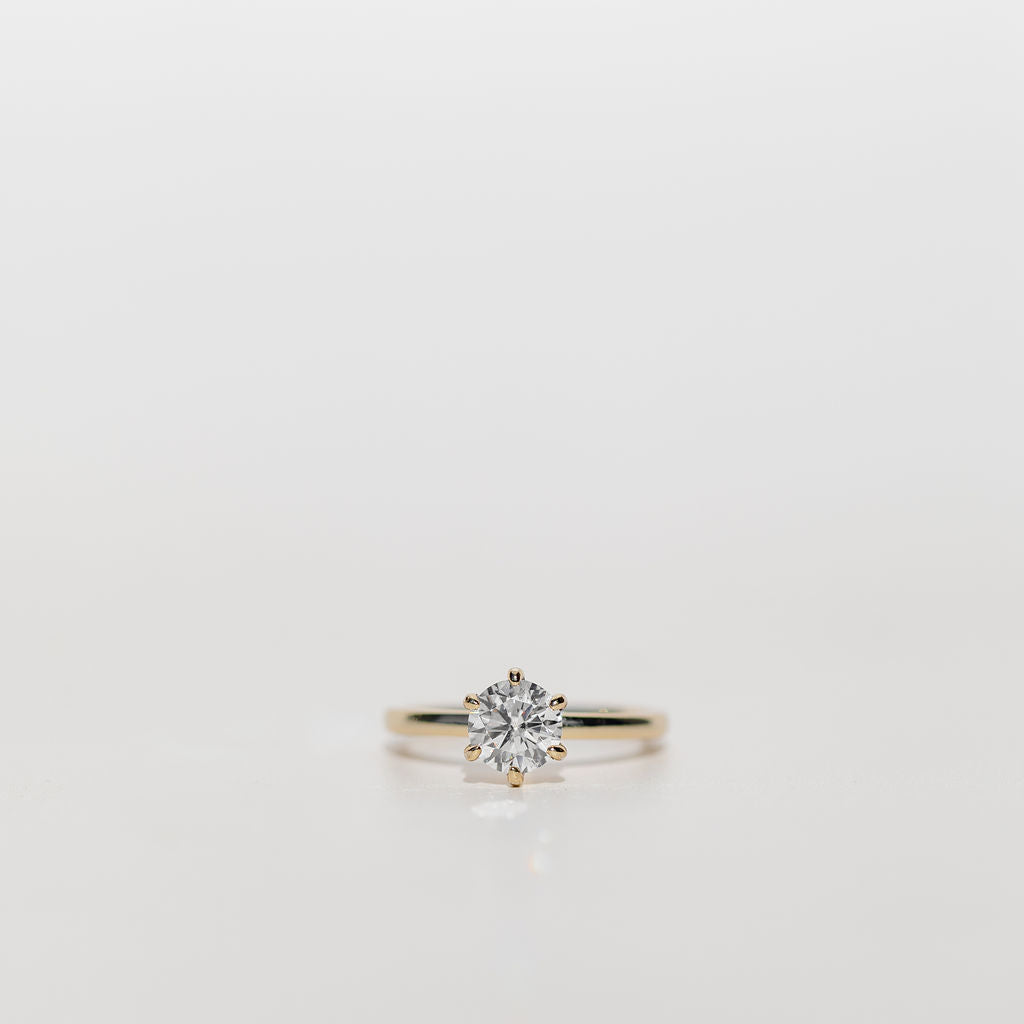
Choosing the right setting for a ring involves considering both how you plan to wear it and what effect you want the centre stone to have. If you're looking for something classic, a solitaire setting in platinum allows the diamond to shine by itself, as the metal subtly fades into the background. Halo settings surround the centre stone with a circle of smaller diamonds, which will boost its sparkle and give the illusion of one larger stone. The three-stone design is another option, with two side stones that traditionally symbolise the past, present, and future.
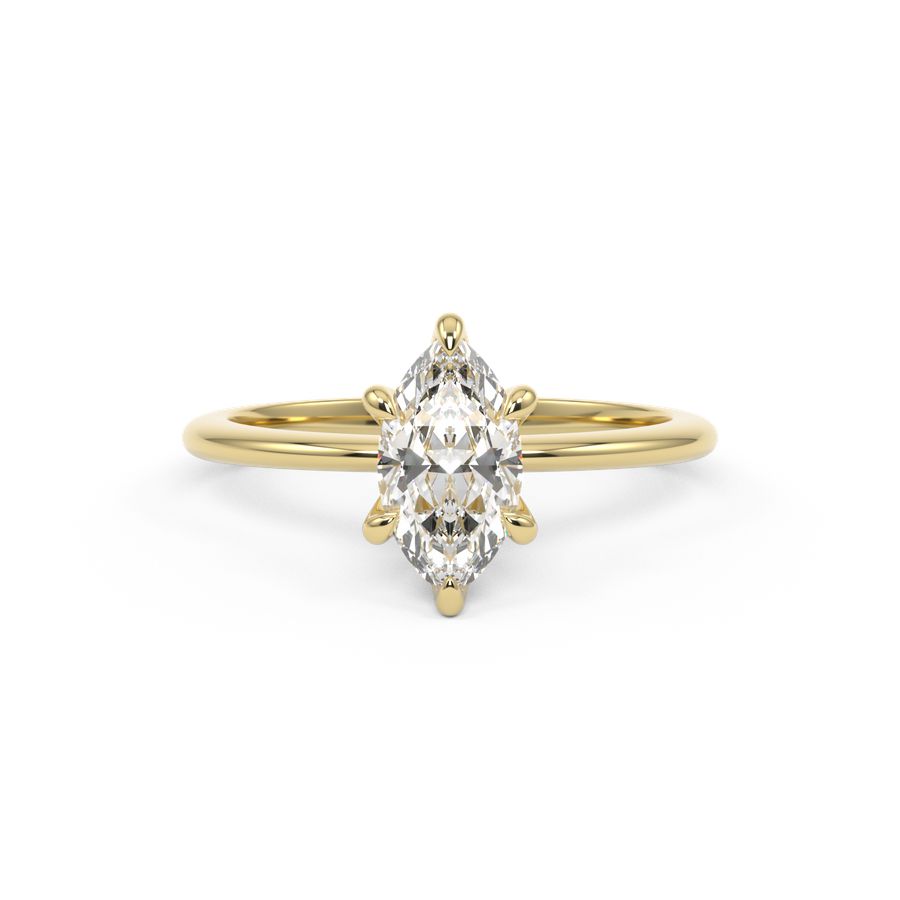
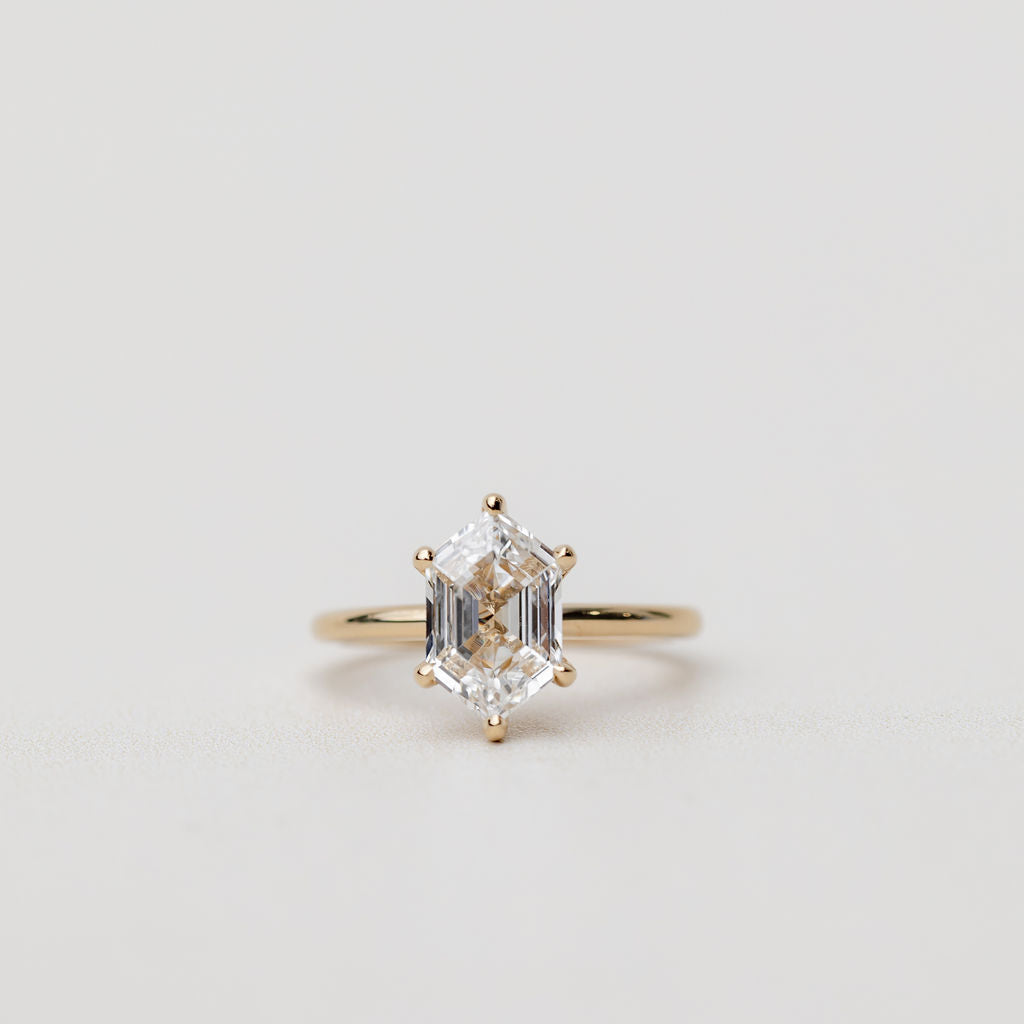
The cut of the diamond or gemstone also affects the choice of metal. Round, brilliant, and oval diamonds are versatile and suit most settings. But step-cut stones like emeralds or marquise cuts often look best in platinum. This is because the metal's cool, white tone complements the stone's clean lines without altering its colour.
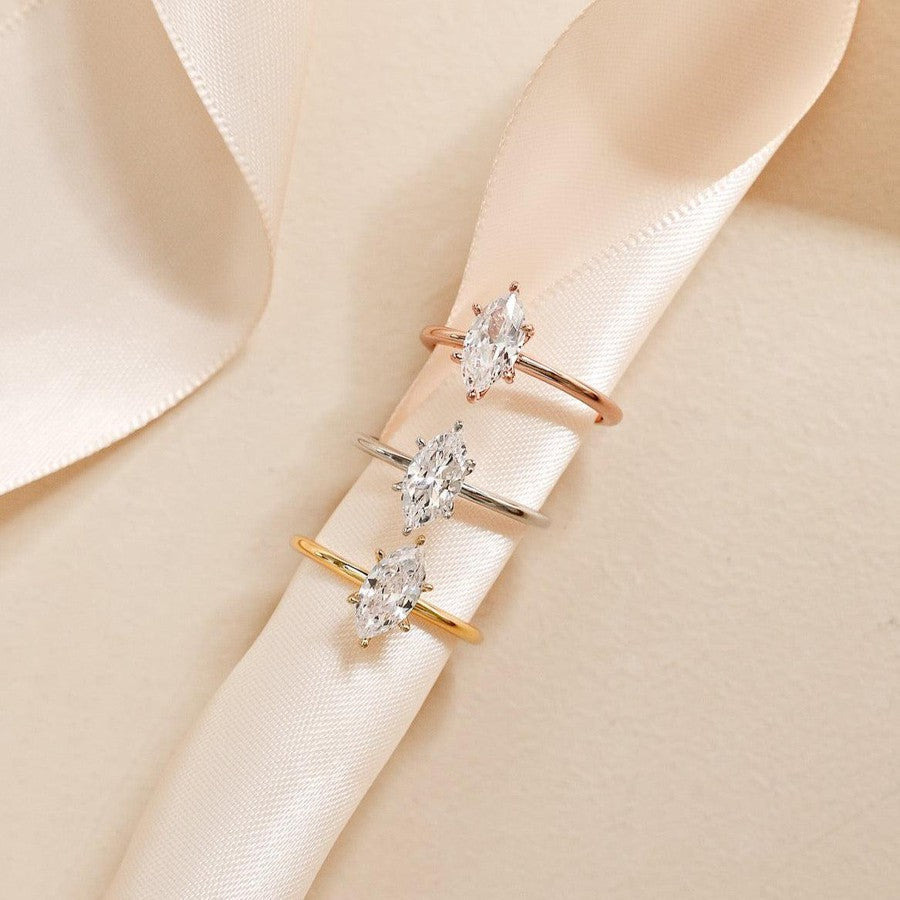
If you're unsure which setting to choose, our team can provide a side-by-side comparison of the same diamond in platinum, white gold, yellow gold, and rose gold. Seeing them in person will help you decide which one best matches your style.
Platinum engagement rings for everyday wear
Platinum is a really practical choice for anyone who wears jewellery every day. Unlike some other metals, it won't tarnish or oxidise, which eliminates the need for continuous upkeep. Over time, platinum naturally acquires a subtle satin finish from everyday use, which many people actually find appealing. If you prefer the original shiny look, our skilled jewellers can easily restore it to its mirror-like polish.
Despite its advantages, working with platinum presents challenges compared to gold, which influences its price. A platinum engagement ring typically costs 30% to 50% more than a similar design in 18-karat gold, depending on how much metal it contains. But, for many people, the extra cost is justified by platinum's durability and minimal maintenance needs. This makes it an excellent choice for a ring intended to last through years of daily wear.
Custom and made to order
At Harry & Co, our goal is to make sure your platinum engagement ring reflects your personal style. You can select a setting from our extensive collection or work with us to create a completely unique design. We offer shipping throughout Australia, and you can also schedule a consultation at our Hyde Park studio or opt for a video meeting if you're located elsewhere in the country.
Frequently Asked Questions
Is platinum better than white gold for an engagement ring?
Both are great options, but platinum stands out for regular wear as it keeps its colour without rhodium plating, it retains stones better because of its density, it is hypoallergenic, and it acquires patina instead of wearing off. White gold would be suitable if you want to have a lightweight ring or reduce your expenses, but do keep in mind that you will need to rhodium plate it every two to three years.
Does platinum scratch?
Platinum can be scratched, yet no metal is lost during the process. When a gold ring is scratched, some gold is scraped off the surface, but when a platinum ring gets scratched, the metal is displaced, which is why platinum rings develop a soft patina over time rather than thinning. The full weight of the ring is preserved.
How much more does platinum cost than gold?
A platinum engagement ring will cost roughly 30%-50% more than its equivalent made out of 18kt gold. The actual figure will depend on the weight of the setting and market rates of the two metals. We can quote prices for both metals on your chosen design.
Can I match a platinum engagement ring with a wedding band in a different metal?
You could do that, although many couples prefer to have similar metals in order to maintain harmony and durability over time. When two rings made from dissimilar metals touch one another on a daily basis, the metal that is more susceptible to wear will get worn out faster. A platinum engagement ring paired with a platinum wedding band keeps wear consistent across both pieces.
Can I see platinum rings in person before purchasing?
Visit our Hyde Park studio to handle platinum rings and compare them against gold side by side. We can also arrange a virtual consultation if you're not in Adelaide. Choosing the metal for your engagement ring is a lifelong commitment, and we want you to feel certain about it before you buy.

Our diamonds are hand selected by our experts for you

Crafted in Australia in 4 - 6 weeks

Lifetime warranty & complimentary service
